

One Health: Antibiotic Stewardship in Clinical Practice
Why Antibiotic Resistance Affects Us All Antibiotics have revolutionized medicine, both in human and veterinary medicine. However, the more frequently and indiscriminately they are used, the greater the selective pressure on bacteria—and thus the risk that resistance will develop and spread. Antimicrobial resistance (AMR) is therefore no longer just a problem for individual patients or specific medical fields. It is a shared challenge for humans, animals, and the environment. What does “One Health” mean? The One Health approach views the
Chronic Wounds in Horses
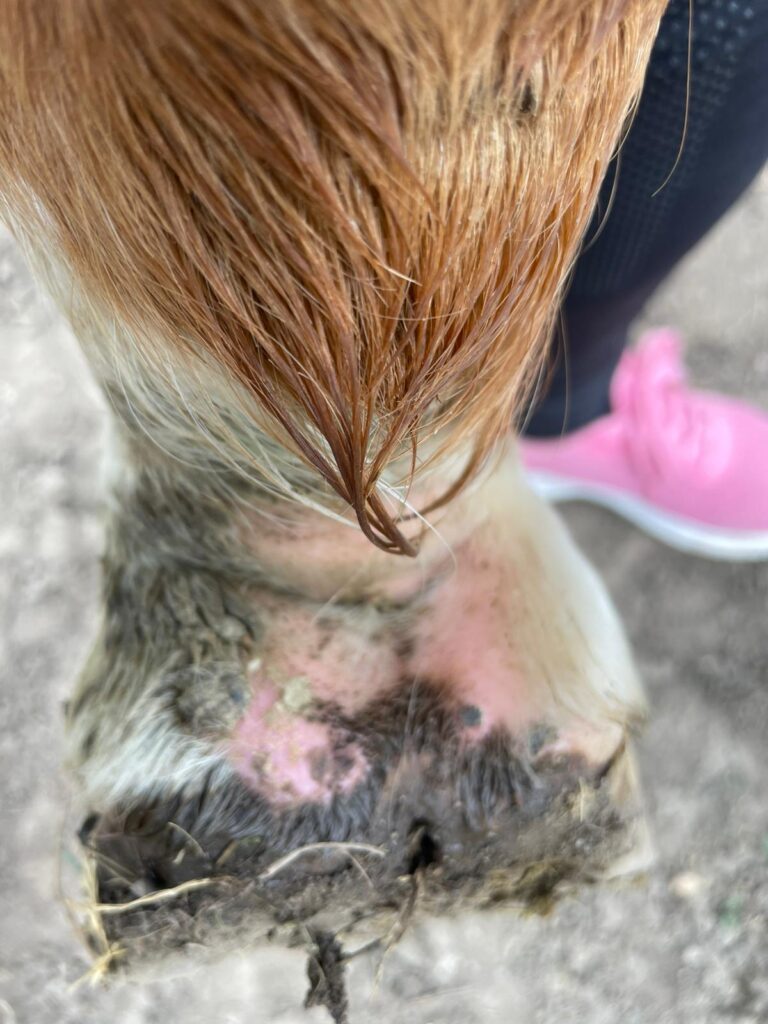
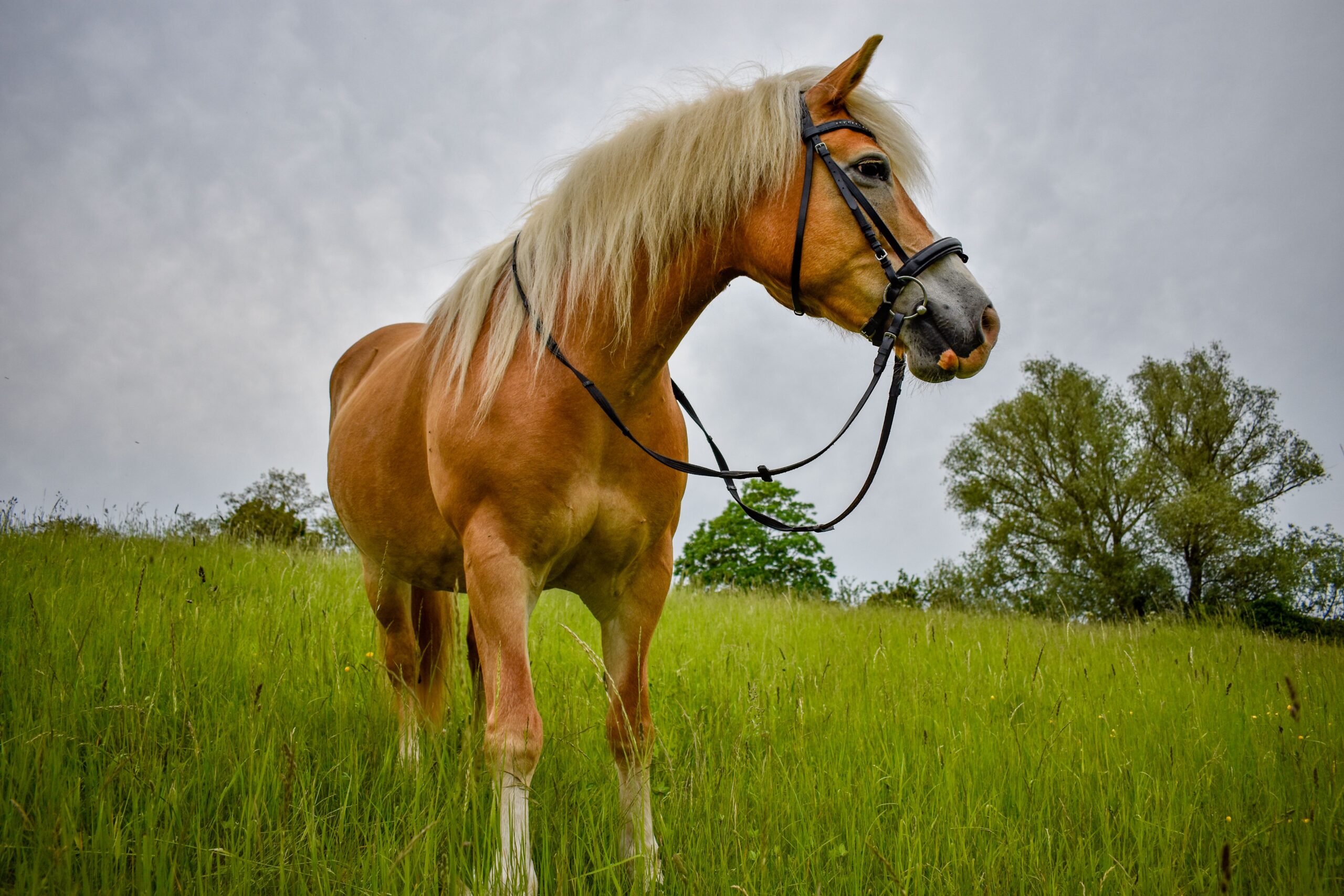
Causes, Biofilm, and Modern Treatment Wound healing in horses, particularly on the limbs, is one of the greatest challenges in veterinary practice. The fact that wounds in horses so quickly become chronic or fail to heal is due to a combination of anatomical and physiological characteristics specific to the species. Why do wounds become chronic? Hypergranulation: Formation of wild flesh Horses have a physiological tendency toward excessive formation of granulation tissue. Since the inflammatory phase of wounds below the carpal
Biofilm in Veterinary Medicine
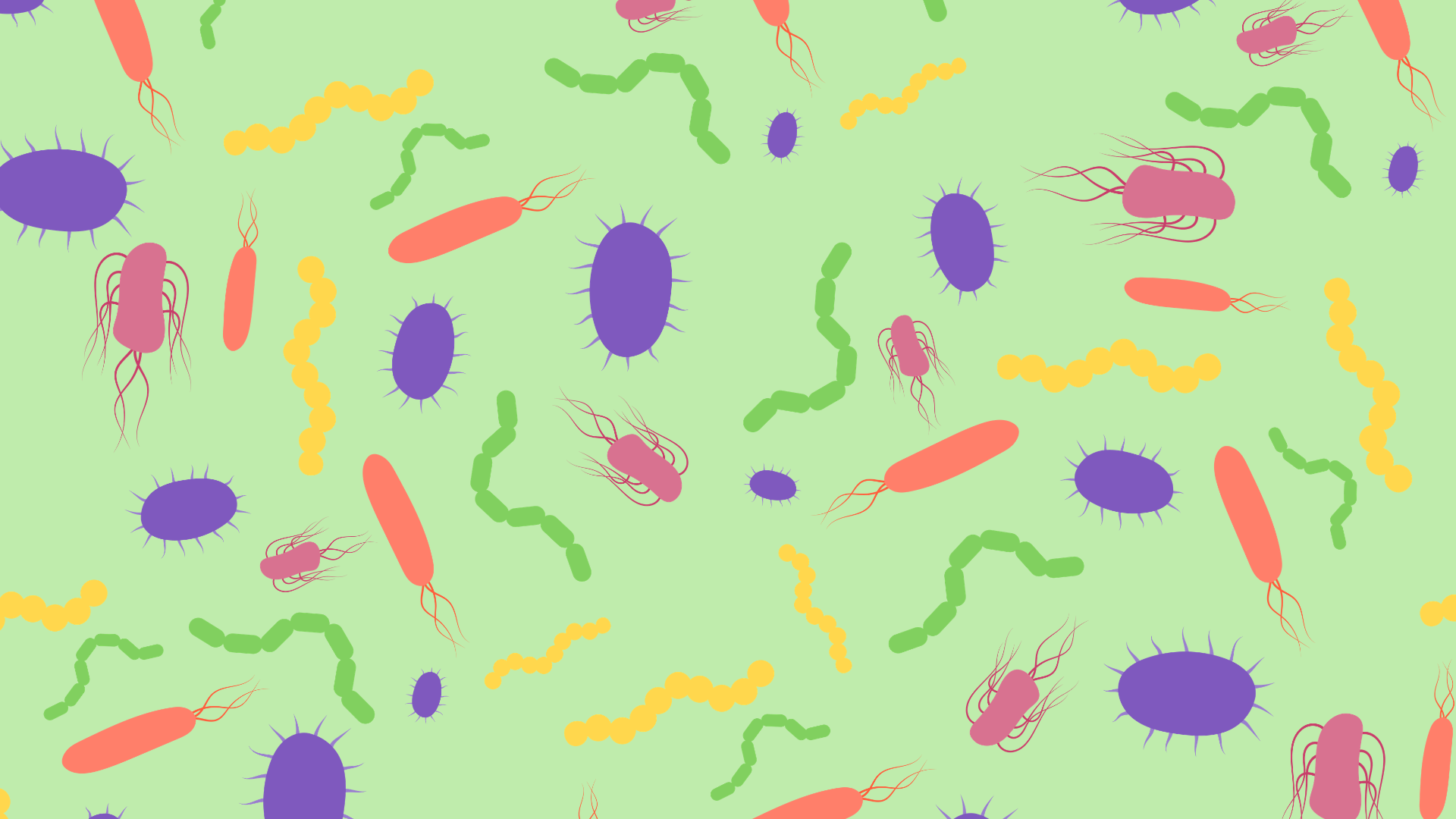
The Pathogenesis of Treatment Resistance and the Role of Hypochlorous Acid (HOCl) Antimicrobial resistance is one of the greatest challenges facing modern veterinary medicine. Chronically recurring infections and clinical stagnation are frequently observed in veterinary practice. The reason for the lack of therapeutic success often lies in the way pathogens organize themselves: they form a biofilm. What is a biofilm? A biofilm is an organized community of microorganisms embedded in an extracellular matrix (EPS) that they produce themselves. This matrix
Allergic Skin Diseases in Horses
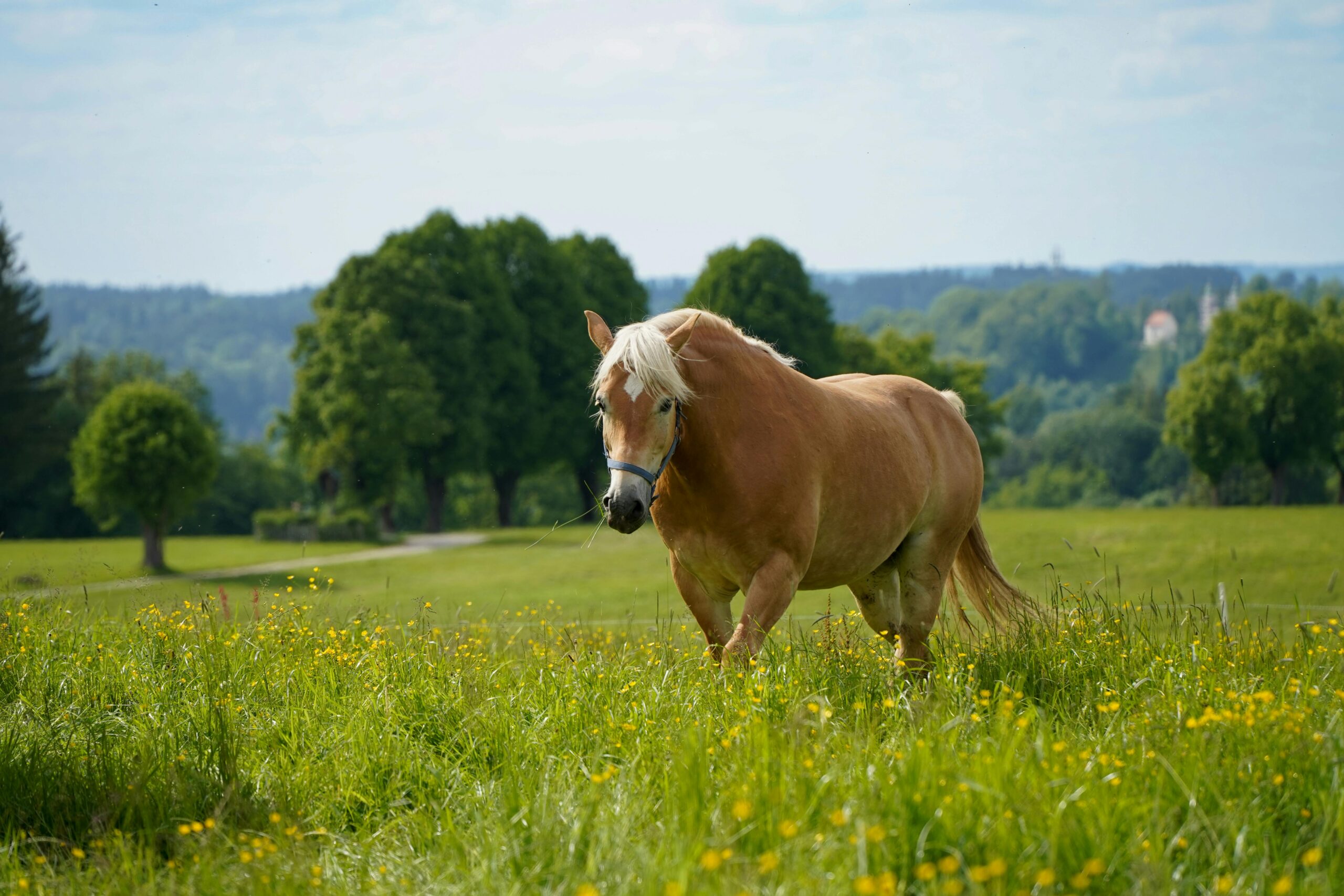
Allergic skin diseases in horses are becoming increasingly common in equine practice. Whether triggered by feed, insects, or environmental allergens, the skin reflects the state of the immune system. For veterinarians, this means carefully differentiating between insect bite hypersensitivity (IBH), equine atopic dermatitis (EAD), and urticaria. Pathogenesis: Immune System Dysregulation Allergic dermatitis in horses is caused by an exaggerated immune response to otherwise harmless proteins. IgE-mediated reaction (Type I): An immediate hypersensitivity reaction characterized by histamine release. This mechanism is