

Pastern Dermatitis
Pastern dermatitis, or “Mud Fever,” is a chronic, multifactorial dermatitis of the palmar/plantar aspect of the pastern in horses. Various factors can contribute, including bacteria such as Staphylococcus or Dermatophilus congolensis, fungi, mites, UV radiation, chemical irritants, and immune imbalances, with moisture being a predisposing factor. Clinically, pastern dermatitis is characterized by crust formation, exudation, alopecia, hyperkeratosis, fissures, and pain, and it more commonly affects white pasterns due to photosensitization.
Treatment aims at eliminating underlying causes by optimizing husbandry and avoiding irritants. Symptomatic treatment includes removing crusts after soaking and washing. As an antiseptic, hypochlorous acid (HOCl) has proven effective due to its broad spectrum of activity and good tolerability. Povidone-iodine can be used as an alternative. Local antibiotics or antifungals, as well as anti-inflammatory agents, are used as needed. In cases of systemic involvement, systemic antibiotics are necessary based on an antibiogram. Consistent hygiene and a dry environment are crucial. The prognosis is variable, depending on the cause and consistent implementation of therapy, with recurrences being common.
Case Report: Successful Pastern Dermatitis Treatment with Sanocyn forte
Patient: Luigi, Quarter Horse, 10 yo, gelding
Presentation: May 26, 2025, Lower Austria
History:
- Edematous swelling extending to mid-cannon bone, right hind limb
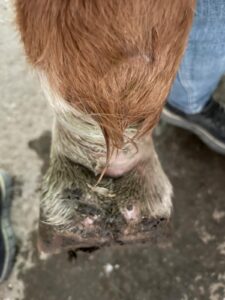
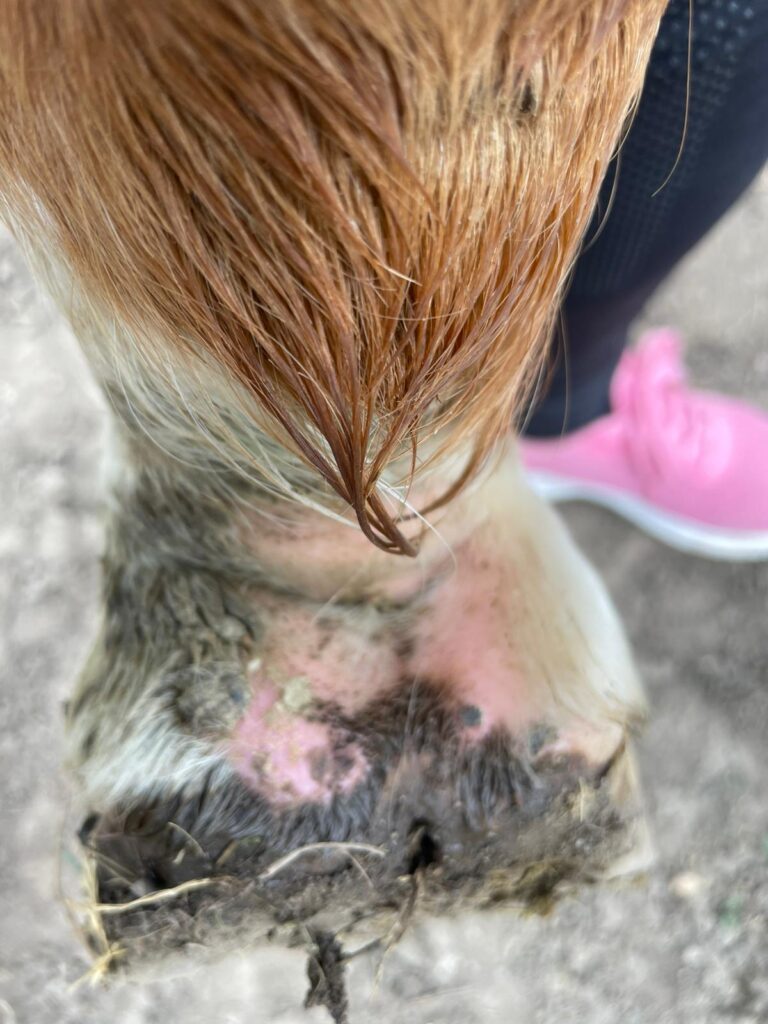
- Crusty skin lesions in the pastern region
- Palpation tenderness
- Crusts did not dissolve even after soaking
- No known pre-existing conditions
- No current therapy
Diagnosis: Pastern Dermatitis (Mud Fever) – Visual diagnosis based on general clinical examination.
Therapy:
- Daily topical application of Sanocyn forte solution and hydrogel to the affected areas.
- Treatment duration: 2 weeks
Outcome:
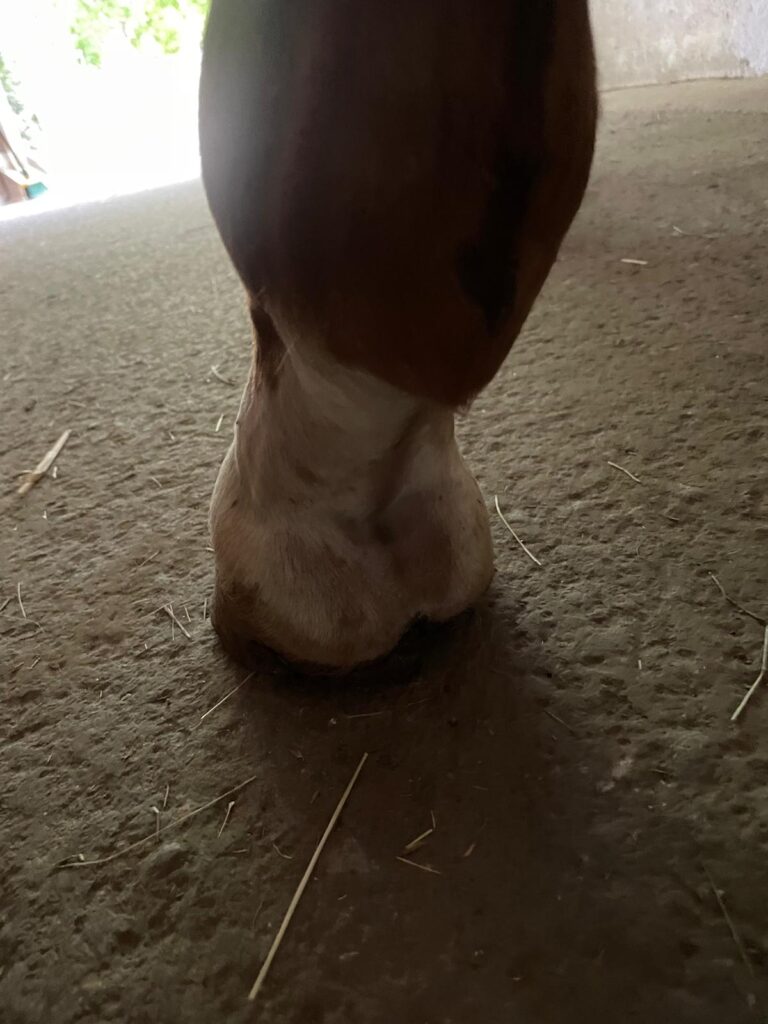
- After two weeks, a significant reduction in swelling and crusts on the right cannon bone was visible.
- The owner was convinced of the ease of use and the rapid improvement of the clinical picture. Sanocyn forte proved to be an effective treatment option for treating pastern dermatitis in this case.
More Blogs

Interdigital Dermatitis in Dogs
Interdigital dermatitis is an inflammatory disease of the skin between the toes (interdigital space). The disease can be acute or chronic and can also affect areas on the pads and around the claws. Affected dogs usually present with itching, swelling, redness, and pain in the paws (Duclos 2013). Predisposing factors Several factors increase the risk of developing interdigital dermatitis: Anatomical factors: narrow spaces between the toes, hairy paws, malformations Breed predisposition: commonly West Highland Terriers, Scottish Terriers, Pekingese, and English
Equine Keratitis
Etiology, Diagnosis, Therapy and the Role of Hypochlorous Acid (HOCl) Equine keratitis is one of the most common and clinically significant ophthalmic diseases in horses. Due to the prominent position of the equine eye and the horse’s heightened inflammatory response, corneal disease can progress rapidly and may lead to permanent visual impairment or loss of the globe if not treated promptly. A structured diagnostic and therapeutic approach is therefore essential for a favorable outcome. Equine Keratitis in Horses Table of

Ear infection
An ear infection in dogs, also known as otitis, is a common and often painful condition that requires special attention. If your dog is constantly shaking its head, scratching its ears or seems restless, this could indicate an ear infection. In this article, you will learn everything you need to know about the causes, symptoms and proper treatment of ear infections in dogs.
Pastern Dermatitis
Pastern dermatitis, or “Mud Fever,” is a chronic, multifactorial dermatitis of the palmar/plantar aspect of the pastern in horses.